admin
admin
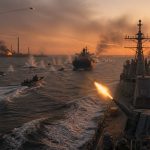
The U.S. military this week sank six Iranian small boats near the Strait of Hormuz. CENTCOM says the move was defensive and meant to protect commercial ships moving through one of the world’s most important shipping corridors. This is not a drill. It is a clear signal that Project Freedom and American power are back on watch in the Strait of Hormuz.
What happened in the Strait of Hormuz
CENTCOM Commander Adm. Brad Cooper said a small group of Iranian boats approached commercial traffic in a threatening way, and American forces moved quickly to stop them. U.S. forces used AH-64 Apache attack helicopters and MH-60 Seahawk helicopters to neutralize the vessels. Officials say six boats were sunk and no U.S. ships were harmed. That kind of quick, decisive action sends a simple message: threats to our commerce will be met with force.
Project Freedom and the U.S. posture
The operation came under the banner of Project Freedom, President Trump’s plan to reopen and secure the Strait of Hormuz for global trade. Under that effort, U.S. naval forces are escorting commercial vessels and redirecting traffic when needed — CENTCOM says at least 49 ships have already been rerouted to keep them safe. President Trump made his stance crystal clear in a recent interview, warning Iran that attacks on U.S. assets would be met with overwhelming response. Diplomacy matters, but freedom of navigation matters more when lives and global energy supplies are at stake.
Why this matters for America and the world
The Strait of Hormuz is not just another stretch of water. A huge share of the world’s oil shipments pass through that chokepoint, and any sustained disruption ripples through global markets and drives up costs at the pump. Small-boat harassment might look like a nuisance, but it can quickly become a crisis. The U.S. response this week protected shipping, reassured allies, and kept oil markets from tipping into chaos. Iran’s show of force with swarms of boats is theater — and we had front-row seats for the part where the script backfires.
The choice ahead
Right now the message America should send is simple: deterrence works. Keep Project Freedom strong, keep escorts visible, and be ready to act. If diplomacy produces a real, lasting peace, great — but don’t confuse talk with safety. The world watched as our military protected trade in the Strait of Hormuz; that is exactly what leadership looks like. Let other nations worry about how they will explain their failure to keep ships safe when commerce stops. For now, the job is done, and the message is clear: the United States will defend the shipping lanes and American interests, period.