admin
admin
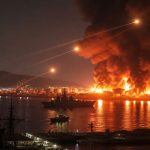
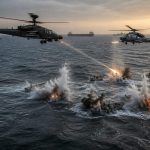
The shaky “ceasefire” with Iran looks like it’s over. Reports from CENTCOM and Navy briefings say American forces destroyed multiple Iranian small boats after a showdown in the Strait of Hormuz. At the same time, Iranian missiles and drones reportedly struck targets in the Gulf region, including the United Arab Emirates. In short: the bluffing stopped and the shooting started again.
Ceasefire Appears to Have Ended
Officials on the ground say the U.S. Navy escorted American-flagged ships through the Strait of Hormuz and then engaged hostile Iranian vessels. At a press briefing, Admiral Brad Cooper was quoted as saying six Iranian small boats were eliminated. Meanwhile, missiles and drones launched at UAE targets reportedly struck an oil facility and even residential areas in neighboring states. With American carrier groups in the Gulf, CENTCOM and allies are signaling they are ready to push back hard.
Why This Matters
The Strait of Hormuz is not a local traffic jam. It is a lifeline for global oil and trade. When Iranian boats and drones start harassing ships or hitting oil facilities, prices go up and markets wobble. More importantly, attacks on UAE soil mean this is not a contained U.S.-Iran spat — regional players can get pulled in fast. Two carrier groups in the Gulf mean the U.S. has the muscle to respond decisively. That matters for American sailors, for allies, and for anyone who pays at the pump.
What to Expect — and What the U.S. Should Do
Expect strikes to resume and to be bigger than last time. If Iran keeps attacking shipping and regional partners, the U.S. can and should shoot to disable the regime’s ability to project force — its small-boat fleets, missile launchers, drone hubs, and the command centers that push those attacks. That does not mean random escalation or endless occupation, but it does mean not pretending a truce exists when enemies use it to regroup. President Donald Trump and his commanders should be clear-eyed: deter now, hit hard, then talk from a position of strength.
Call it what it is — Iran tried to play chicken and misread the American lane. The region and the world need a stable Gulf, not endless brinkmanship. If diplomacy is going to work, it will be because the U.S. and its partners showed it was willing to back words with force. If Iran wants to avoid further punishment, the time to act is now. Otherwise, we should stop pretending the ceasefire ever existed and start treating Tehran like the threat it keeps proving it is.