admin
admin
The United Arab Emirates has just announced it “reserves its full and legitimate right” to strike back after a wave of Iranian missiles and drones struck over UAE territory and set fire to the Fujairah Oil Industry Zone. This isn’t diplomatic theater — it’s the clearest sign yet that regional patience is wearing thin. Washington’s own stepped-up naval moves to reopen the Strait of Hormuz, dubbed “Project Freedom” by President Donald Trump, are tied to the flare-up. If you wanted drama, you got it; if you wanted stability, tough luck.
UAE’s “Strike Back” Pledge: A Clear Message
The UAE’s foreign ministry made the vow after air defenses intercepted multiple cruise missiles and ballistic drones and a fire broke out at Fujairah’s oil terminal. The Fujairah Oil Industry Zone is the pipeline terminus that helps the world bypass the Strait of Hormuz, so it’s not a random factory — it’s a global chokepoint. Reporting of a few injured workers shows this wasn’t just a message in the sky. The UAE put Tehran on notice: cross our sovereignty and you will answer for it. Simple. Loud. Necessary.
How U.S. Action Helped Spark This Moment
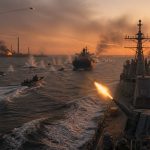
The timing matters. CENTCOM, under Admiral Brad Cooper, says U.S. forces sank multiple small Iranian boats that were threatening commercial ships in the strait. President Donald Trump publicly pushed the escort plan and ordered forces to clear a path for shipping. When the U.S. started taking direct action to protect global trade, Iran reacted — and now a Gulf partner is promising retaliation. You can call it escalation, or you can call it the logical consequence of letting a rogue regime make the rules at sea.
What This Means for Oil, Shipping, and Strategy
Damage or disruption at Fujairah instantly rattles energy markets — oil prices jumped as traders priced in risk to flows that normally move through Hormuz or through the Abu Dhabi pipeline to Fujairah. That’s not abstract; higher fuel bills and real economic pain follow. Strategically, the choice is stark: either protect shipping and punish attacks, or watch Tehran keep jamming the system and raising the cost for everyone. The UAE saying it will strike back sends the right signal — deterrence only works when it’s credible.
America and its partners should heed the lesson. Weakness invites tests; resolve changes behavior. Backing the UAE’s right to defend itself, supporting CENTCOM’s efforts, and keeping global energy routes open is not brinkmanship — it’s basic security. If Tehran wants to act like a state that fires missiles and drones at neighbors, it shouldn’t be surprised when states respond like they have a stake in the world economy. Time to stop pretending patience is a strategy and start acting like victory matters.