admin
admin
Tehran says it’s stopped quietly passing messages to Washington — the low-bandwidth lifeline that has kept a larger war from igniting — and it’s doing it because Israel stepped up strikes in Lebanon. That’s the claim coming from Tasnim, the IRGC-linked news service; Iran’s foreign minister echoed the line on social media. This isn’t just diplomatic sniping. It’s the kind of move that makes a volatile region even more dangerous for Americans, and for our wallets.
What Tehran did — and why big-game players notice
Tasnim reported that Iran’s negotiating team has “stopped the exchange of messages and documents with the United States through mediators.” Iranian Foreign Minister Abbas Araghchi claimed the ceasefire agreed with Washington covers “all fronts, including Lebanon,” and warned that any attack there would void the whole deal. That’s the public posture; independent verification is thin, because the announcement comes through state-linked channels and social posts.
But the mechanics matter. These are not press conferences — they’re discreet notes and clarifications, passed through intermediaries to defuse incidents before they spiral. Cut that out and one misinterpreted strike, one scrambled radar return, becomes a crisis rather than a near-miss.
Real costs: markets, ships, and service members
Talk of blocking the Strait of Hormuz isn’t abstract. If Iran really toys with closing a major shipping lane, insurance premiums jump, tankers reroute, and gasoline at the pump follows in short order. Ordinary Americans feel that — not as headlines, but as higher gas bills and pricier groceries because shipping costs rise.
There’s a human toll, too. U.S. sailors and airmen operate in these waters; our troops and diplomats in the region rely on those quiet channels to avoid being entangled. Diplomatic blackouts don’t keep Americans safe — they magnify the risk our men and women in uniform face when words stop and engines start.
Washington’s response — and the hard choices ahead
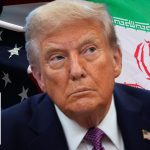
On the other side, President Donald Trump says talks are “continuing, at a rapid pace,” even as Tehran boasts of pulling the plug. That public posture is necessary — you don’t want to telegraph panic — but rhetoric isn’t a shield. The U.S. has to maintain those backchannels or replace them with something more robust; otherwise a regional skirmish could become a full-blown opening act.
Here’s the plain truth conservatives should admit: deterrence still matters. We can’t let Tehran weaponize diplomatic intermediaries or bully Israel’s responses into a pretext for wider aggression. At the same time, America must be ready to protect maritime trade, reassure allies like Israel and Lebanon’s neighbors, and keep a close eye on any military moves emanating from Iran or its proxies.
Tehran’s announcement is theater and test — a way to raise the stakes without firing the first real shot. But tests become real when ignored. Will Washington let the message-suspension become a new normal, or will it force a choice that clarifies who pays the price for further escalation?